26 August 2026
Allergy Friendly Cooking Without Dinner Guesswork
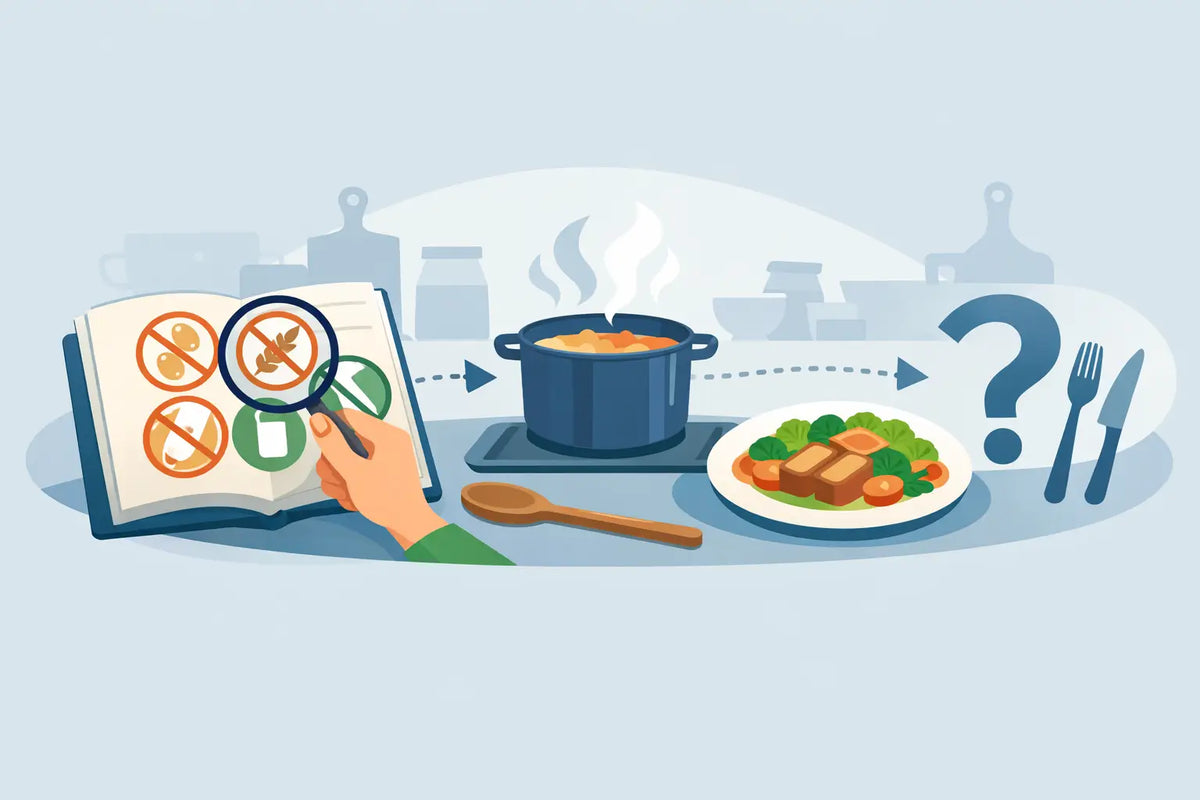
A meal can look safe until the sauce, seasoning blend, or shared cutting board changes the answer. That is why allergy friendly cooking is less about finding a few substitute recipes and more about building a kitchen routine that makes safe choices repeatable. When dinner is planned before the hungry hour, you have time to check labels, confirm ingredients, and avoid last-minute compromises.
For households managing food allergies, the goal is not perfection through constant vigilance. It is a calmer system. You should know what is for dinner, what is in it, what needs replacing, and which ingredients require a closer look before they reach the pan.
Allergy Friendly Cooking Starts Before You Cook
The safest decision is often made at the planning stage. Choose meals around ingredients your household already knows and trusts, then make substitutions deliberately instead of improvising at 6 p.m. A weekly plan also exposes repeat ingredients. If three meals use the same allergy-safe broth, pasta, or dairy-free spread, you can buy once with confidence and reduce label-checking fatigue.
Start with a short rotation of dependable meals. Think taco bowls with a verified seasoning, baked potatoes with safe toppings, sheet-pan chicken and vegetables, lentil soup, rice bowls, or pasta with a familiar sauce. The right meals depend on the allergy. A dairy-free household has different guardrails than one avoiding peanuts, eggs, wheat, soy, sesame, shellfish, or multiple allergens.
Do not try to replace every favorite recipe at once. Keep the structure of meals your household already enjoys, then test one change at a time. A new egg substitute may work beautifully in pancakes but fail in a custard. A gluten-free flour blend may be ideal for muffins yet produce a dry pizza crust. Record what worked, including the brand and amount used. That small note prevents expensive repeat experiments.
Build a Trusted Ingredient List
A trusted ingredient is not simply an ingredient you have bought before. It is one whose current label has been checked and fits your household's needs. Formulas, manufacturing statements, and package sizes can change. Check every new package, even when the product name and design look familiar.
Create a personal list of regular items by category: pantry staples, sauces, baking ingredients, frozen foods, snacks, and convenience meals. Include the exact product or brand when that matters. This is especially useful for items with hidden allergens, such as bouillon, spice mixes, salad dressings, deli meats, chocolate, breadcrumbs, and plant-based alternatives.
Keep the list practical. Note whether an item is safe for a specific person, whether it is a reliable substitute, and whether it needs a label check every time. “Safe last checked in July” is more useful than a vague memory that a product was probably fine.
For serious allergies, follow the guidance from your clinician or allergist on advisory statements such as “may contain” or “made on shared equipment.” Those statements are voluntary in many cases and do not carry one universal level of risk. Your household's risk plan should be clear before shopping, not debated over an unfamiliar package in the store aisle.
Prevent Cross-Contact With Simple Kitchen Rules
A safe ingredient can become unsafe through cross-contact. Crumbs in a toaster, a knife used for regular peanut butter, or flour dust on a counter can matter. The level of care needed depends on the allergy and the person, but clear routines reduce avoidable mistakes for everyone.
Assign separate tools where they make the biggest difference. A dedicated toaster, cutting board, colander, or spread knife can be worth more than an elaborate color-coding system nobody follows. If separate equipment is not practical, wash tools thoroughly with hot, soapy water before preparing the allergy-friendly portion. Clean surfaces first, too.
Cooking order matters. Make the allergy-friendly dish first, cover it, and use clean utensils to serve it. If the household also serves foods containing the allergen, keep those ingredients contained and label leftovers clearly. This is not about making the kitchen tense. It is about removing ambiguity.
Be especially careful with shared jars. Butter, jam, mayonnaise, and condiments collect crumbs quickly. Squeeze bottles help. So do separate labeled jars for a household member with a medically necessary restriction. A small change at breakfast can prevent a larger problem at dinner.
Treat Recipes as Systems, Not Single Pages
Every recipe has four moving parts: ingredients, preparation, cooking equipment, and serving. A recipe may be free of an allergen on paper while the preparation method creates risk. For example, gluten-free fries are not necessarily safe if they share fryer oil with breaded foods. Dairy-free mashed potatoes may not work if the serving spoon has already touched the butter dish.
When saving a recipe, write down the full version your household actually makes. List approved substitutions, notes about separate tools, and any garnish or side that changes the allergy status. This turns a recipe from inspiration into an instruction set someone else can safely follow.
It also makes delegation easier. A partner, older child, babysitter, or visiting family member should not need to guess which soy sauce, cheese alternative, or flour belongs in the meal. The details should be visible where the recipe lives.
Plan the Grocery List Around Safety
A grocery list is a safety tool when it is specific. “Pasta sauce” leaves room for error. “Brand-approved tomato basil sauce, 24 ounces” does not. The more consequential the item, the more precise the list should be.
Shop with enough time to read labels. Online ordering can help because you can review ingredients without standing in a crowded aisle, but product images and descriptions can be outdated. Check the package when it arrives. If a substitution is offered, do not assume that a product in the same category is safe.
Pantry tracking adds another layer of control. You can see which trusted staples are running low before the weekly shop and avoid buying duplicates of specialty products. You can also use foods before they expire, which matters when allergy-safe alternatives cost more or are harder to find locally.
A meal planning workspace can keep recipes, allergen flags, grocery items, pantry quantities, and serving sizes together. LARDER is designed for that kind of household control: one offline file, no account, no internet connection, and no monthly fee. The useful part is not technology for its own sake. It is seeing the ingredient behind the meal before the list is written.
Make Substitutions With a Purpose
Substituting an allergen is not always a one-for-one swap. Understand the job the original ingredient performs. Eggs can bind, add moisture, create lift, or provide structure. Dairy can add fat, acidity, and creaminess. Wheat flour can provide elasticity that a gluten-free blend may not replicate.
For everyday meals, choose recipes that do not need complicated substitution. A naturally egg-free chili is usually easier than converting a soufflé. A rice bowl is often simpler than adapting a breaded cutlet. This is not giving up favorite foods. It is choosing where experimentation belongs.
When you do test a substitute, change one variable at a time and write down the result. Note texture, taste, cooking time, and whether leftovers held up. If a meal is for a child or someone with a severe allergy, test a new product when there is time for a backup dinner. Weeknights are not the place for a high-stakes kitchen experiment.
Give the Whole Household One Clear Routine
Allergy friendly cooking works best when it does not depend on one person remembering everything. Put the household rules in plain language: which foods are not allowed, which products are approved, what must be prepared separately, and what to do if there is uncertainty. “When in doubt, stop and ask” is a better rule than “just be careful.”
Include guests in the plan without making them feel policed. Before a potluck or family gathering, ask what they intend to bring and explain the cross-contact rules that apply in your home. At restaurants, communicate clearly, but recognize that a restaurant's ability to accommodate allergies varies. For severe allergies, your own kitchen often provides the most control.
The payoff is not only safer meals. It is fewer duplicate purchases, fewer abandoned ingredients, fewer rushed label checks, and less mental load. You are building a repeatable household process that leaves more room for the part that matters: sitting down to a meal without wondering what went wrong.
Start with one dependable dinner this week. Write down the exact ingredients, the safe preparation steps, and the grocery items needed next time. A reliable meal is more than a recipe. It is one less decision waiting for you at the end of the day.