28 July 2026
How to Track Pantry Expiration Dates Easily
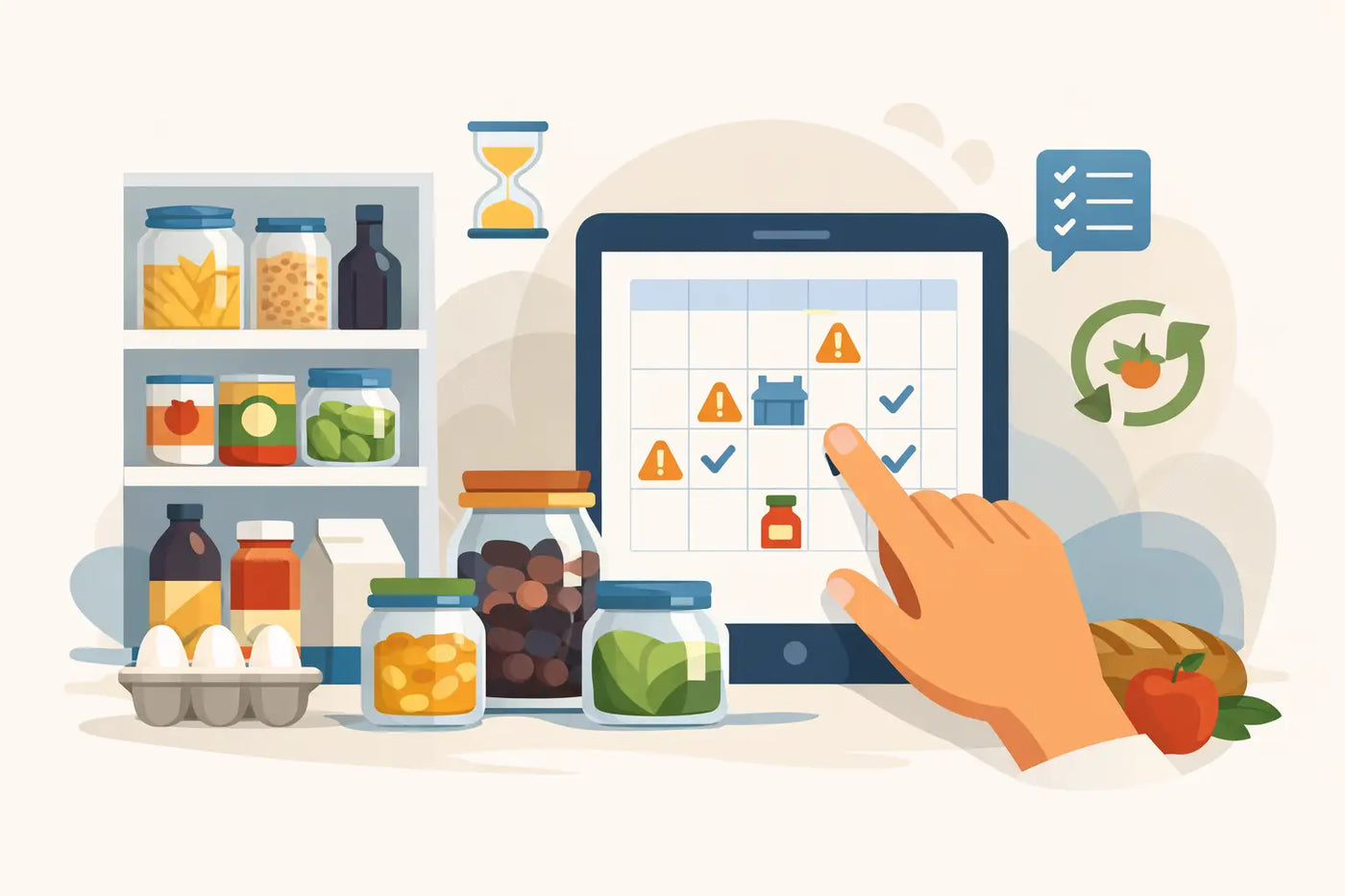
A forgotten bag of flour is not just clutter. It is a duplicate purchase waiting to happen, a recipe interrupted halfway through, or food that gets tossed because nobody knows whether it is still good. Learning how to track pantry expiration dates fixes that problem with a small routine, not a complicated inventory project.
The goal is not to turn your kitchen into a warehouse. The goal is to know what you have, use it while it is useful, and buy with confidence. A good system takes a few seconds when groceries come home and gives time back every week.
Start with the dates that matter
Pantry foods do not all have the same kind of date. “Best by” usually indicates peak quality, not an automatic safety deadline. “Use by” is more urgent, particularly on products that contain fats, oils, or other ingredients that can degrade over time. A date on a can, jar, or box also assumes it has been stored properly and remains unopened.
Use common sense alongside the label. A dented or bulging can, a broken seal, pests, moisture, mold, or an off smell are reasons to discard food regardless of the printed date. Dry goods can also lose quality long before they become unsafe. Spices go flat. Nuts turn rancid. Whole-grain flour has a shorter useful life than white flour because its natural oils break down.
You do not need to record every date with the same level of precision. Put your attention where it prevents waste: foods you buy repeatedly, foods with shorter quality windows, and ingredients that disappear behind other items.
Build one pantry expiration tracking rule
The best tracking method is the one your household will actually maintain. Paper labels, a whiteboard, a spreadsheet, and a dedicated pantry tool can all work. The problem begins when the system requires too many steps or lives somewhere nobody checks before shopping.
Choose one source of truth. Then use one rule every time groceries arrive: record the item, quantity, and date before putting it away. If that sounds strict, make it lighter. You can track only items that expire within the next year, only opened packages, or only categories that regularly cause waste in your home.
For most households, a practical record includes the item name, quantity or number of packages, expiration or best-by date, storage location, and whether it is opened. That is enough information to answer the questions that matter: Do we already have it? What should we use first? Is this still worth buying?
Use a consistent date format
Write dates as month, day, and year, such as 09/14/2026. Avoid “next fall” or “soon.” Vague notes create another decision later.
If a package has no clear date, estimate one based on when you bought it and label it accordingly. “Bought 08/2026” is better than no information at all. For items transferred into containers, keep the original label until the contents are used, or write the date directly on a removable label.
Label what you cannot see
Opaque containers are useful for storage, but they can hide the information you need. If you decant rice, pasta, cereal, flour, or snacks, label the container with the product name and date. Include an “opened” date for items that change once exposed to air, such as breadcrumbs, nuts, seeds, coffee, and baking mixes.
A simple first-in, first-out approach does most of the work. Put newer purchases behind older ones. Keep the items with the nearest dates in a visible “use first” area. This does not need a special bin. One shelf section or a small basket is enough.
The trade-off is visibility versus perfection. You could organize every shelf by category, date, package size, and brand. Most people will stop maintaining that system. A clearly marked use-first zone works because it reduces choices at the moment you choose a meal.
How to track pantry expiration dates with a weekly check
Do not wait for a full pantry cleanout. Set aside five minutes when you plan meals or make your grocery list. Look at the use-first area and ask one question: What needs a job this week?
Build meals around those ingredients before adding new ideas to the plan. Pasta nearing its best-by date might become a weeknight baked pasta. A can of chickpeas can become lunch bowls. A half-used bag of oats can cover breakfasts for several days. The ingredient does not need to be the star of the meal. It just needs to be used deliberately.
This is where expiration tracking becomes more than an inventory task. It connects the pantry to dinner. When your meal plan starts with what is already available, the grocery list gets shorter and the number of last-minute decisions drops.
A useful weekly review can follow this order:
- Check the use-first section and any opened items.
- Add two or three ingredients to the week’s meals.
- Update quantities after planning, not only after cooking.
- Add replacements to the grocery list only when they are truly needed.
Organize by how you cook, not by store aisle
Pantries often get organized once and then slowly drift into chaos because the layout does not match real cooking habits. Put everyday items where you naturally reach for them. Keep baking ingredients together if you bake. Store quick lunch staples together if lunches are the pressure point. Put rarely used holiday ingredients higher up or farther back.
Within each area, place older products in front. Keep heavy items low. Reserve eye-level space for the ingredients you want to use often. These small physical choices make the tracking system easier because the kitchen itself gives you reminders.
Some foods deserve special attention. Cooking oils, nuts, whole-grain flours, and brown rice contain oils that can become rancid. Dried herbs and spices do not usually become dangerous on a schedule, but their flavor fades. Canned goods often last well when stored in a cool, dry place, but they should still be inspected for damage. High heat and humidity shorten the useful life of nearly everything.
Choose a tool that does not create more work
A notebook is enough for a small pantry and a very consistent household. A spreadsheet gives more sorting options, but it can become a chore on a phone. An app can provide reminders and grocery integration, but many require accounts, internet access, and recurring fees for a task that should remain simple.
A local pantry workspace can be a better fit when you want planning, shopping, and expiration dates in the same place. With LARDER, pantry inventory and expiration tracking can sit beside recipes, meal plans, and grocery lists in one browser-based file. No account. No internet. No monthly fee. Your household data stays in your browser, with backups you control.
Whatever tool you use, avoid recording information that never changes your behavior. Brand names may matter if you track prices or allergies. They usually do not matter for a basic expiration system. Batch codes are rarely useful at home. Track enough to make the next meal and next shopping trip easier.
Handle uncertain items without guessing
A printed date cannot tell you everything. Storage conditions, packaging, and the food itself all matter. When you find an older item, inspect it before using it. Check the package, smell it, and look for changes in color, texture, insects, or moisture. When safety is uncertain, discard it. Saving a few dollars is not worth a risky meal.
But do not throw away good food simply because a best-by date has passed. Many shelf-stable products remain usable after that date if unopened and properly stored. Quality may be lower, so use judgment. A faded spice may be fine but need a larger amount. An old box of crackers may be stale rather than unsafe. A rancid nut, however, should go.
If your household includes infants, older adults, pregnant people, or anyone with a weakened immune system, be more conservative with questionable food and damaged packaging.
Make the system survive busy weeks
A pantry system succeeds when it works after a long day, not only on a motivated Sunday afternoon. Keep labels and a marker near where groceries enter the kitchen. Put dates into your chosen tracker before products disappear into cabinets. If you miss a week, restart with the use-first shelf instead of trying to reconcile every item.
Once a month, do a slightly deeper check. Wipe shelves, combine partial packages where appropriate, look for pests, and remove products that are no longer usable. Before a larger shopping trip, scan the pantry record or use-first zone. That is often enough to prevent the extra pasta, extra beans, and extra flour that quietly build up.
A pantry that tells you what to cook next is not fussy. It is useful. Give each item a date, give the closest dates a visible place, and let your weekly meal plan put those ingredients to work.