26 July 2026
Weekly Meal Planner With Grocery List That Works
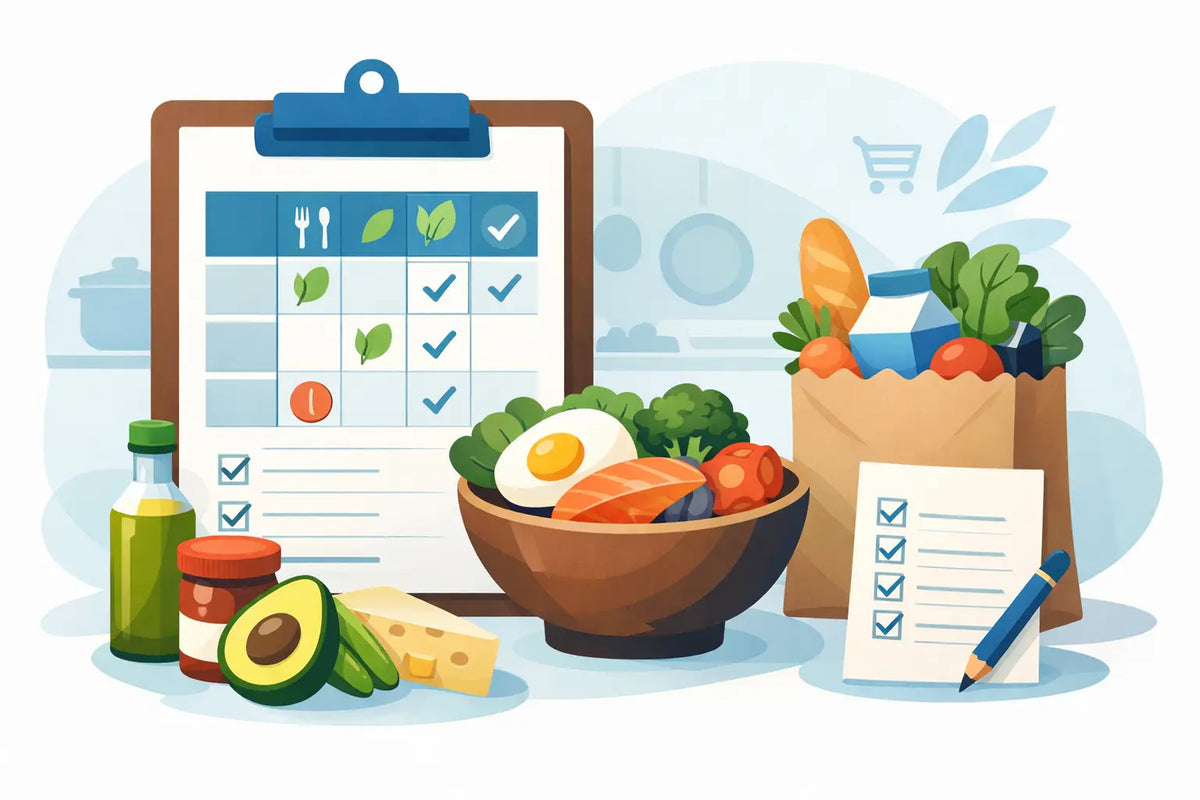
A good weekly meal planner with grocery list does not ask you to become a different person on Sunday night. It gives you fewer decisions to make when the week gets busy. Dinner is decided. The ingredients are accounted for. The grocery list is already written.
That is the point. Meal planning is not a test of culinary ambition. It is a household system for spending less time wondering what to cook, buying fewer duplicates, and using the food already in your kitchen.
Start With Your Actual Week
Most meal plans fail before the grocery trip because they are built around an ideal week instead of a real one. Five elaborate dinners sound productive until Tuesday runs late, Wednesday has practice, and Friday turns into takeout.
Start with the calendar. Mark the evenings when you have time to cook, the nights that need a 15-minute meal, and any meals that happen away from home. Then plan only for the openings that remain. A household with two late work nights may need three cooked dinners, one leftovers night, one pantry meal, and a flexible weekend slot. That is a plan you can keep.
Give each dinner a job. One can be a familiar fast meal. One can make enough for lunch leftovers. One can use a vegetable or protein that needs to be used soon. One can be the meal you genuinely want to cook. Variety matters, but reliability matters more.
Breakfast and lunch need the same realism. If you eat yogurt and fruit most weekdays, put that in the plan rather than inventing five new breakfast recipes. Planning the meals you already repeat is not boring. It is how the system becomes useful.
Build the Weekly Meal Planner With Grocery List Together
The meal schedule and the grocery list should be one connected process. When they live in separate notes, apps, or scraps of paper, the work doubles. You choose meals in one place, then manually translate every ingredient into another. That is where omissions, duplicate purchases, and frustration begin.
Build your plan from recipes with clear ingredients and serving sizes. As you assign meals to days, combine the needed ingredients into one list. If chicken appears in two recipes, the list should show the total amount needed. If one meal serves four and another serves two, quantities should adjust before you shop, not after you get home.
A practical grocery list also separates what you need to buy from what you already have. This sounds obvious, but it changes the outcome. A recipe may call for olive oil, rice, garlic, and canned tomatoes. If your pantry contains the first three, canned tomatoes are the only item that belongs on the list.
Before finalizing the list, check five things: the refrigerator, freezer, pantry, foods nearing expiration, and any ingredients left from last week. This takes a few minutes. It can prevent buying a second bag of spinach while the first one softens in the produce drawer.
Plan Around Inventory, Not Just Recipes
Recipes are useful. Inventory makes them economical.
Look for ingredients that can work across more than one meal without forcing repetition. A rotisserie chicken can become tacos, salad lunches, and soup. Bell peppers can go into fajitas, grain bowls, and omelets. A package of tortillas can cover dinner, breakfast wraps, and a quick freezer backup.
There is a trade-off here. Planning every ingredient for maximum overlap can make meals feel too similar. Planning every dinner as a separate event creates waste and a longer list. Aim for a middle ground: a few shared staples, with enough contrast in flavor and format to keep the week enjoyable.
Expiration tracking helps with this decision. Use highly perishable ingredients early in the week. Save frozen vegetables, dry pasta, beans, and shelf-stable meals for later. If you have a half-used jar, an open package, or produce with only a few good days left, let that ingredient influence the plan first.
This is also where a pantry list earns its place. You do not need to count every grain of rice. Track the items that are easy to forget, expensive to replace, or likely to expire. A simple record of proteins, freezer meals, canned goods, staples, and open packages gives your weekly plan a reliable starting point.
Keep the Grocery List Shop-Ready
A grocery list should reduce time in the store, not become another project. Group items by how you shop: produce, meat and seafood, dairy, bakery, dry goods, frozen, and household basics. You will move through the store with fewer backtracks and fewer impulse additions.
Be specific about quantities. “Vegetables” is not a shopping instruction. “Two yellow onions, one bag of spinach, and three bell peppers” is. Specific quantities make it easier to stay on budget and easier for another person in the household to shop accurately.
Prices deserve a place in the process, especially when grocery costs vary from store to store. A personal price book can record what you usually pay for the ingredients you buy often. It is not about chasing pennies or turning shopping into a spreadsheet. It gives you a reference point. When chicken breast, coffee, or olive oil is substantially above its normal price, you can choose a substitute before checkout.
Substitutions should be planned with care. Swapping black beans for chickpeas is usually simple. Replacing a core ingredient in a recipe with a different texture, cooking time, or allergen profile may not be. For households managing allergies, flag those ingredients before scheduling the meal. The best grocery list is not merely complete. It is safe for the people eating from it.
Let Nutrition Inform the Plan, Not Control It
Nutrition awareness works best when it is built into ordinary decisions. You may want more protein at lunch, more fiber across the week, fewer high-sodium convenience meals, or a clearer view of calories per serving. Those are useful signals, not reasons to make dinner stressful.
Ingredient-based nutrition calculations are more dependable than guessing from a recipe title or relying on a generic database entry. They also make serving changes clearer. If a recipe was written for six but your household needs three, scaling the ingredients should scale the nutrition estimate and grocery quantities too.
Still, precision has limits. Brands vary. Produce sizes vary. A poured tablespoon is not always a measured tablespoon. Use nutrition totals to spot patterns and make informed adjustments, not to create false certainty. A system that helps you cook at home more consistently is already doing meaningful work.
Make the Routine Small Enough to Repeat
The strongest meal plan is the one you will still use next month. Keep the weekly reset short. Review your calendar, check inventory, choose meals, generate the list, and shop. If your household prefers a single shopping trip, do it on the same day each week. If fresh produce is better with a midweek top-up, build that into the plan.
Save the meals that worked. Over time, your recipe collection becomes a personal library instead of a stream of new ideas you have to evaluate every week. You will know which meals are fast, which produce good leftovers, which are popular with kids, and which are worth the extra effort.
A private, offline tool can make this routine easier to keep. LARDER keeps meal schedules, recipes, pantry items, grocery automation, nutrition, allergy flags, and price records in one browser-based file. No account. No internet connection. No tracking. Your data stays with you, with backups you control.
That approach matters if you want a household system that lasts. Subscription tools can be convenient, but they often turn a basic routine into another monthly bill and another place where personal data lives elsewhere. For some households, cloud syncing is worth that trade-off. For others, local control is the better fit.
Your plan does not need to be perfect by Monday. It needs to make the next meal easier than the last one. Choose a few meals you trust, buy what they require, use what you have, and leave room for real life. Next week, the system will be ready again.