02 August 2026
Meal Planning for Busy Professionals That Works
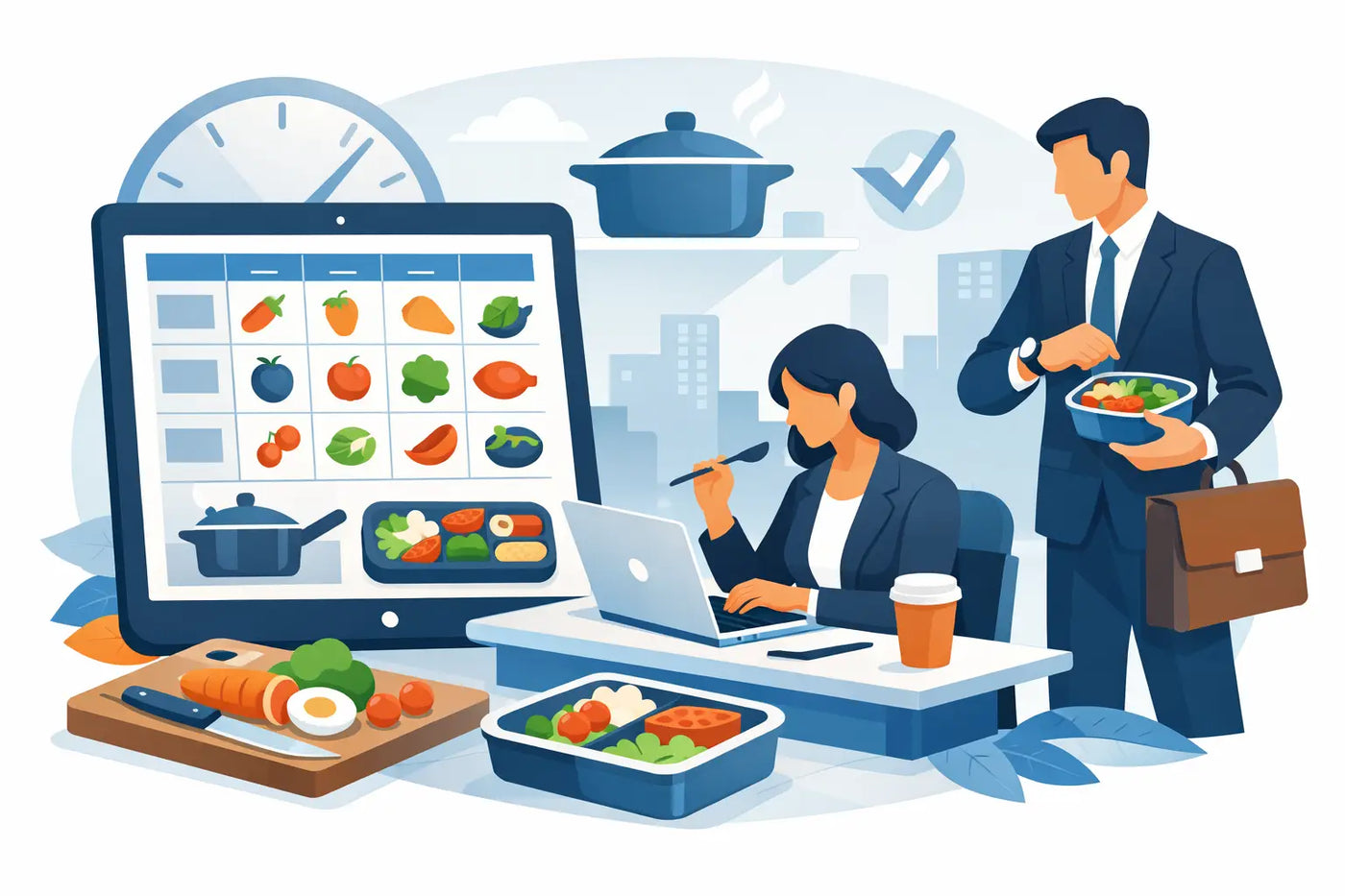
At 6:20 p.m., the question is rarely “What sounds good?” It is “What can I make with what is here before I give up and order takeout?” That is the real problem meal planning for busy professionals needs to solve. Not perfect menus. Not aspirational recipes. Fewer decisions when your day has already used them up.
A useful plan gives you a short path from calendar to dinner, then from dinner to a grocery list. It accounts for the chicken in the freezer, the spinach that needs using, the late meeting on Thursday, and the fact that you do not want to cook from scratch seven nights a week.
Why busy schedules make food feel harder than it should
Most people do not struggle because they cannot cook. They struggle because food management is spread across too many places. Recipes live in browser tabs, notes, screenshots, and memory. Grocery items get added on the fly. Pantry staples are bought twice because no one remembers what is already in the cabinet.
That creates three kinds of friction: decision fatigue, wasted food, and expensive convenience. A rushed grocery trip without a plan often produces ingredients that do not become meals. A plan that ignores your actual schedule does the same thing, just more neatly.
The answer is not a stricter routine. It is a smaller, more realistic system. One that makes ordinary weeknight meals easy to repeat, easy to shop for, and easy to adjust.
Meal planning for busy professionals starts with capacity
Plan around the time and energy you truly have, not the week you wish you had. Look at the coming seven days before choosing a single recipe. Late work nights, commutes, workouts, school events, travel, and social plans all affect what dinner can reasonably be.
A demanding week may only have room for two proper cooking sessions. That is fine. Schedule those meals first, then give the remaining nights an assigned job: leftovers, freezer meal, breakfast for dinner, simple pasta, or takeout. A blank night is not flexibility if it becomes a 7 p.m. decision.
Use a practical meal mix
A week usually works best with a mix of effort levels. One meal can be slightly more involved because it makes extra servings. Two or three should be dependable favorites that require little thought. The rest can rely on leftovers, prepared components, or pantry meals.
For example, roast chicken and vegetables on Sunday can become grain bowls on Monday and wraps on Tuesday. Chili can cover two dinners or a dinner and several lunches. This is not repetition failure. It is efficient use of cooking time.
The trade-off is variety. If trying new recipes is a major source of enjoyment, reserve one meal each week for experimentation. Keep the other meals familiar. A packed week is not the moment to test five unfamiliar recipes with long ingredient lists.
Plan ingredients before recipes
Recipe-first planning can create a cart full of one-off ingredients. Ingredient-first planning is often faster and cheaper. Start with what needs to be used: produce nearing its best-by date, opened sauces, proteins in the freezer, or grains already in the pantry. Then choose meals that share those items.
This approach reduces waste without forcing you to eat the same thing all week. Bell peppers can work in fajitas, stir-fry, and egg scrambles. Greek yogurt can become breakfast, a sauce base, or a snack. A price book also helps here. When you know what you normally pay for staples, you can recognize a real sale instead of buying more simply because a label says “special.”
Build a weekly system that survives real life
A meal plan should take less time to maintain than it saves. If it requires a color-coded spreadsheet, several app subscriptions, and constant manual entry, it will likely disappear after a few busy weeks.
Use a simple weekly reset. Pick a consistent time, such as Sunday afternoon or Friday after work. Spend 15 to 20 minutes checking your schedule, reviewing your inventory, assigning meals, and generating a grocery list. The goal is not to optimize every calorie or dollar. The goal is to make the next grocery trip and the next five dinners obvious.
Keep a dependable recipe library
You do not need hundreds of recipes. You need a trustworthy core set. Start with 10 to 15 meals that your household actually likes and can cook without much instruction. Include a few under-20-minute options, a few batch meals, and at least two pantry-based dinners for weeks when shopping does not happen as planned.
Store each recipe with serving size, ingredients, and notes that matter in your kitchen. Maybe your oven runs hot. Maybe the family prefers double sauce. Maybe a recipe only works when the vegetables are cut smaller. These details are more useful than a pristine recipe page copied from the internet.
As your library grows, organize it by the decisions you make under pressure: quick, freezer-friendly, high-protein, kid-friendly, low-cost, or good for leftovers. Categories should reduce searching, not create more administration.
Let the grocery list follow the plan
Writing a grocery list from memory is where duplicate purchases begin. A better process pulls the ingredients from scheduled meals, scales quantities to the number of servings you need, and then subtracts what you already have.
You will still make judgment calls. If you have half an onion, do you buy another? If a recipe needs three limes, is one enough because you can use bottled juice? But those are quick exceptions, not a full inventory exercise in the store aisle.
Group the list the way you shop: produce, dairy, meat, pantry, and household basics. Add a short running list during the week for items that run out. Then review it during the reset rather than keeping a dozen separate notes on your phone.
Track only the information that changes decisions
Detailed nutrition tracking can be useful, especially for people managing protein goals, allergies, or specific dietary needs. But it becomes exhausting when every meal requires a separate database search and a fresh calculation.
The useful level of detail depends on your goal. If you are building muscle, protein per serving may matter most. If you are managing sodium or an allergy, ingredient-level visibility matters more. If your primary goal is spending less on groceries, pantry quantities and expiration dates may deliver the bigger benefit.
Choose the data that supports your next decision. Ignore the rest.
A dedicated offline workspace such as LARDER can keep recipes, weekly meals, grocery lists, pantry items, expiration dates, nutrition, allergy flags, and a personal price book together. The point is not to turn dinner into a project. It is to stop rebuilding the same information every week. No account. No internet connection. No monthly fee. Your household data stays in your browser, with backups you control.
Make the plan flexible without making it vague
Plans break when they are treated as contracts. Treat yours as a sequence instead. If Wednesday turns into a late-night work call, move Wednesday’s meal to Friday and use the freezer meal you planned as backup. The ingredients are still accounted for. The week simply changes order.
Keep one or two contingency meals on hand at all times. Pasta with jarred sauce and frozen vegetables, eggs with toast and fruit, canned beans with rice, or a frozen soup can prevent a last-minute delivery order. These meals are not a sign that planning failed. They are part of the plan.
It also helps to leave one meal unassigned if your schedule is unpredictable. That open space can absorb leftovers, a restaurant meal, or the recipe you skipped. Planning every slot may look organized, but it can make a normal disruption feel like failure.
The payoff is a quieter evening
Good meal planning is not about eating perfectly or cooking more often. It is about making fewer repeated decisions. You know what dinner is. You buy what you need. You use what you buy. And when the week changes, your system changes with it.
Start with three dinners, not seven. Repeat the meals that make your evenings easier. The useful plan is the one you will still follow when work runs late.