04 August 2026
How to Reduce Food Waste at Home Each Week
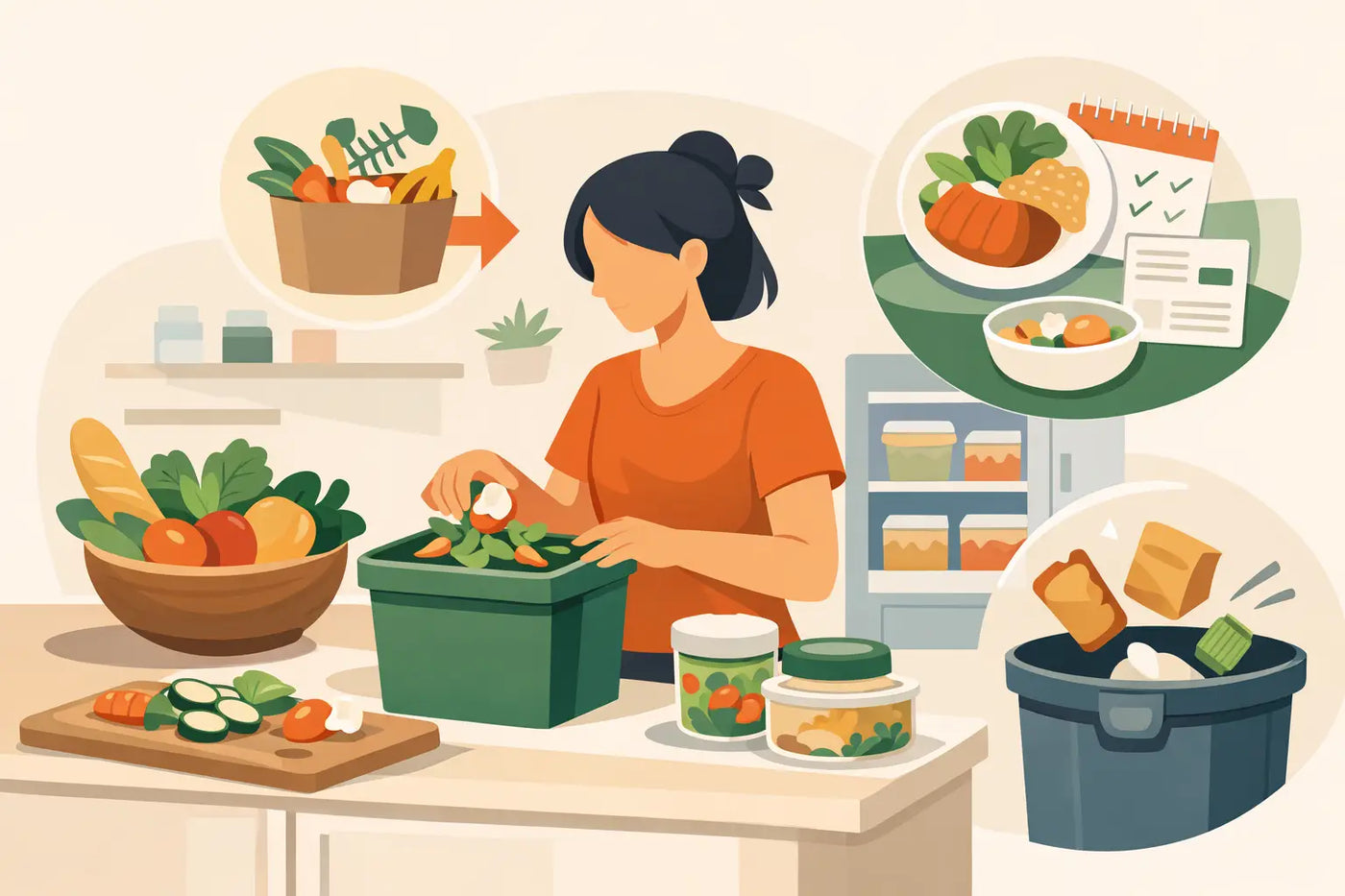
A wilted bag of spinach, half a carton of broth, and three mystery containers in the back of the fridge are not separate problems. They are one system problem. Learning how to reduce food waste at home starts by giving food a clear job before it becomes another forgotten purchase.
The goal is not a perfectly empty refrigerator or a rigid meal plan that collapses on Wednesday. It is a household routine that makes the next meal easier to decide, the grocery trip more accurate, and the food you already paid for easier to use.
Start with a weekly food check
Food waste often begins before shopping. You buy ingredients based on a vague idea of what sounds good, then discover rice, yogurt, produce, or proteins you already had. A 10-minute check before you make a grocery list changes that.
Look through the refrigerator first, then the freezer and pantry. Identify what needs attention soon: tender herbs, opened jars, leftovers, produce at its peak, and anything nearing its use-by date. Build the first few meals of the week around those items.
This does not require planning seven elaborate dinners. In fact, overplanning can create waste when work runs late or plans change. Choose three or four realistic meals, then leave room for leftovers, freezer meals, or a flexible pantry dinner. Dinner, decided, but not overcommitted.
A simple order helps:
- Use the most perishable food early in the week.
- Plan one meal that combines odds and ends, such as soup, fried rice, tacos, frittata, or grain bowls.
- Assign leftovers to a specific lunch or dinner instead of hoping they get eaten.
- Keep one low-effort backup meal for the night cooking does not happen.
Plan meals from ingredients, not just recipes
Recipes are useful, but treating every dinner as a standalone project creates duplicate buying. One recipe calls for half a bunch of cilantro. Another needs a few tablespoons of tomato paste. A third uses a single carrot. The rest can become waste unless the week is designed around shared ingredients.
Choose meals that overlap. Roast chicken can become tacos the next day. A large batch of rice can support bowls, stir-fry, and soup. Bell peppers can go into fajitas, omelets, and a chopped salad. This approach reduces waste while also reducing prep time.
When you save a recipe, record the ingredients in amounts you actually use. Then scale servings before you shop. A recipe written for six is not automatically useful for a two-person household, especially when neither person wants three nights of the same meal.
Leftovers are not a failure of planning. Unplanned leftovers are. If a meal makes extra portions, decide immediately whether they are tomorrow's lunch, a freezer portion, or an ingredient for another meal. Labeling a container with the food and date takes seconds and removes the guesswork later.
Shop with limits, not optimism
The grocery store is built to make abundance feel like a good decision. Multipacks, promotions, and attractive produce displays can all encourage purchases that do not match your week.
A deal only saves money if you use the food. Buying two large packages of berries because the second is discounted is not a bargain if one package molds. The same is true for bulk meat, oversized greens, and large containers of specialty ingredients. Buy the larger size when you have a storage plan, a freezer plan, or several meals assigned to it. Otherwise, buy less.
Your list should separate what you need from what you might like. Needs are tied to planned meals and household staples that are truly low. Nice-to-haves can wait until you have checked your budget, fridge space, and schedule.
Shopping frequency matters, too. Some households waste less with one organized weekly trip. Others do better with a small midweek produce restock. It depends on how predictable your schedule is and how quickly your household goes through fresh food. The best system is the one you can repeat without turning grocery shopping into another project.
A price book can help here. Knowing what you usually pay for staples makes it easier to recognize a genuine stock-up opportunity and easier to ignore a marketing-driven one.
Store food so it stays visible and usable
Good planning can still fail if food disappears in the refrigerator. Put items that need to be used soon at eye level. Keep newer items behind older ones. Use a small bin for "use first" foods if your household tends to forget opened packages or aging produce.
Not every item belongs in the refrigerator. Tomatoes, potatoes, onions, bananas, and many whole fruits keep better at room temperature, though they have different storage needs. Moisture is also a factor. Greens often last longer when washed only when needed, or when stored with a towel to absorb excess moisture. Berries generally last longer when kept dry and washed just before eating.
Freezing is one of the most practical waste-reduction tools, but it works best before food is already past its best. Freeze bread when you see you will not finish it. Portion meat before freezing so you can thaw only what you need. Freeze chopped vegetables, ripe bananas, broth, herbs in oil, and cooked grains in usable amounts.
Label freezer containers with both the contents and date. A frozen container without a label is simply a future question mark.
Treat dates as a prompt to check, not an automatic verdict
Many date labels are about quality, not food safety. "Best by" commonly signals when a product may be at its best flavor or texture. It does not always mean the food becomes unsafe the next day.
Use your senses and good judgment, while following food safety guidance for perishable foods. Check appearance, smell, texture, and storage history. When in doubt, discard it. But do not throw out sealed shelf-stable foods simply because a quality date has passed without first checking what they are and how they were stored.
The larger lesson is to track what you have before dates become urgent. Pantry and expiration tracking can be as simple as a written list, a note on the fridge, or a dedicated local planning workspace. LARDER is designed for this kind of household control: meals, pantry items, expiration dates, and grocery needs in one offline file. No account, no internet, no monthly fee.
Give leftovers a role people will actually want
The phrase "leftovers night" can sound like a penalty when it means a random collection of cold containers. Make leftovers easier to choose by storing them in meal-sized portions and keeping a visible list of what is available.
Some foods reheat better than others. Crispy items may need an oven or air fryer. Rice and pasta often benefit from a splash of water. Salads may be better repurposed into wraps or grain bowls than reheated. A little attention to the second meal makes a major difference in whether it gets eaten.
Set a household rule that fits your reality. It might be "eat leftovers for lunch twice a week" or "check the fridge before ordering takeout." Small rules work because they remove a decision at the moment you are tired.
Make waste visible without making food stressful
For two weeks, keep a small note of what you throw away and why. Was it too much produce? A recipe ingredient used once? Leftovers nobody wanted? Food hidden behind newer purchases? The pattern will be more useful than guilt.
Then change one part of the system. If herbs are the problem, buy smaller amounts or choose meals that share them. If produce spoils, shop more often or buy frozen versions for some meals. If leftovers linger, cook less or portion and freeze sooner. Food waste is rarely solved by trying harder. It is solved by making the next right action easier.
Your kitchen does not need perfect discipline. It needs a repeatable rhythm: check what is there, plan around it, buy with purpose, and use food while it is still good. That is how a full fridge becomes useful food, not future waste.