28 August 2026
Pantry Apps That Actually Reduce Food Waste
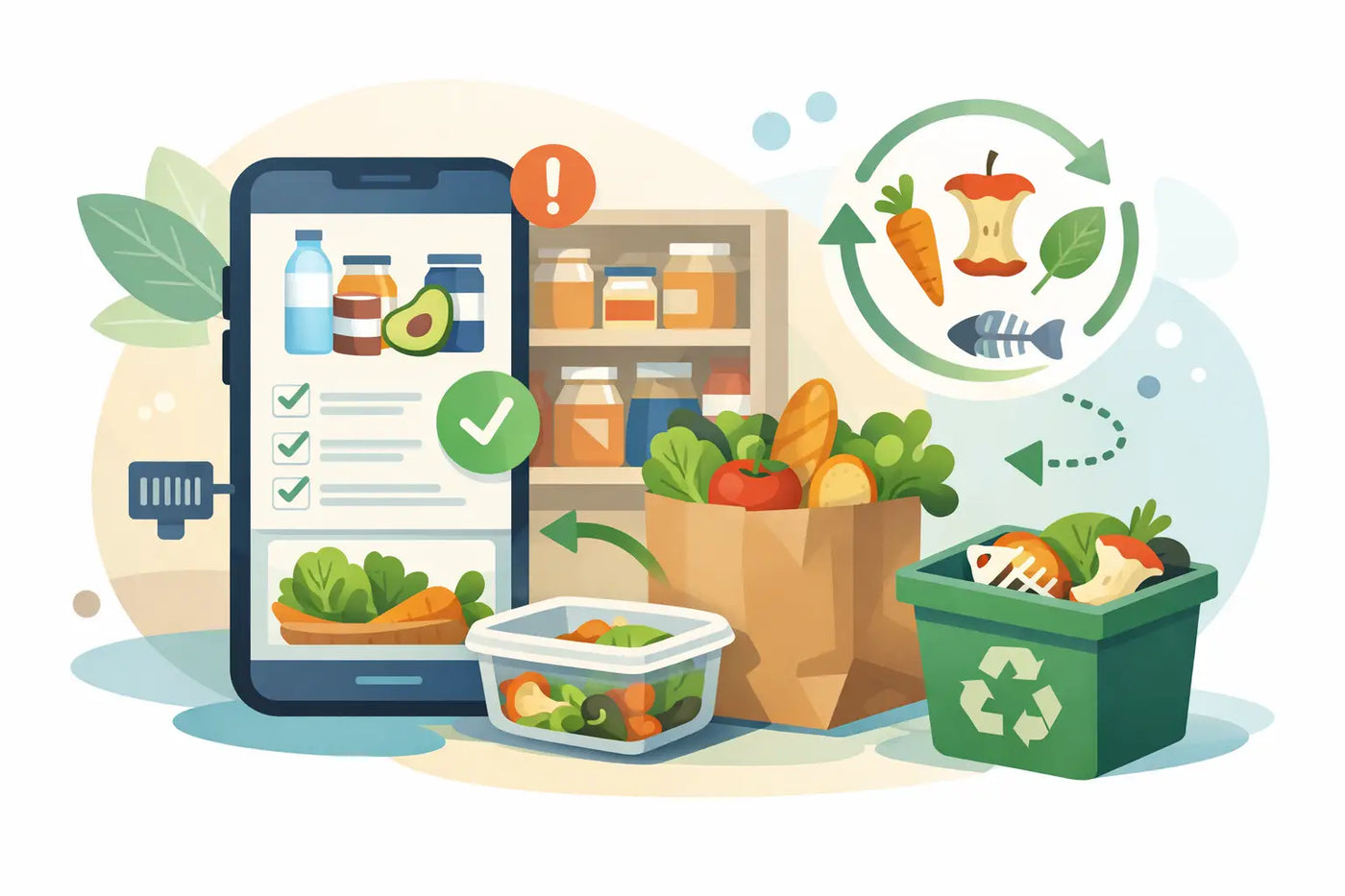
A forgotten bag of spinach is not a character flaw. It is usually a systems problem. Food is bought without checking what is already home, recipes live in several places, and expiration dates become visible only when it is too late. Pantry apps are meant to close those gaps - but the right one should make your weekly routine lighter, not give you another dashboard to maintain.
The goal is simple: know what you have, decide what to cook, and buy only what is needed. A useful pantry system connects those three jobs. It does not ask you to become a full-time inventory manager.
What Pantry Apps Should Do
A pantry app tracks food and household staples you already own. At its best, it records quantities, storage locations, purchase dates, expiration dates, and prices. More importantly, it turns that information into better decisions before the next grocery run.
That distinction matters. A basic inventory list can tell you that there are two cans of chickpeas in the cabinet. A practical household tool can help you notice that the spinach needs to be used first, that a chickpea curry fits the week, and that chickpeas should stay off the grocery list.
For many households, the most valuable benefit is not perfect inventory accuracy. It is fewer surprises. Fewer duplicate purchases. Fewer evenings spent opening cabinets and asking what is for dinner. If a tool takes more effort to update than it saves at the store or in the kitchen, it will not last.
Inventory is useful only when it fits real life
Pantries are not laboratories. A family may use half a bag of rice, move yogurt from the refrigerator to a lunch bag, or buy two different sizes of the same ingredient. The system needs enough detail to be useful without demanding precision that no one can sustain.
Start with the ingredients that create the most waste or repeat purchases. Produce, dairy, proteins, frozen meals, snacks, and frequently used staples are usually the right first categories. You do not need to log every packet of seasoning on day one.
A good app also lets you organize items by where they live: pantry, refrigerator, freezer, or a separate cupboard. That small distinction makes a list easier to trust. It also prevents an item from disappearing simply because it was stored behind something else.
The Features That Make a Pantry App Worth Using
A barcode scanner may be convenient, but it is not the core of a dependable pantry workflow. Packaged foods scan well. Leftovers, bulk ingredients, farmers market produce, and homemade portions do not. Look for a tool that supports quick manual entry alongside any scanning feature.
Expiration tracking is another useful feature, with a practical limitation. Printed dates do not always mean food is unsafe after that day, and shelf life varies by storage and packaging. Treat reminders as prompts to check and use an item, not as an automatic instruction to throw it away. A clear use-soon view is often more helpful than a stream of urgent notifications.
The strongest systems connect inventory to meal planning and grocery lists. When you add meals to a weekly plan, their ingredients should help shape the shopping list. When an ingredient is already in the pantry, it should be visible before you buy more. This is where an app stops being a catalog and becomes a household operating system.
Nutrition and serving scaling can matter too, especially for people managing protein goals, allergies, or meals for different household sizes. These features are useful when they work from the recipe ingredients you actually use. Generic meal suggestions can be helpful for inspiration, but they are not a replacement for a plan built around your food, preferences, and budget.
Price tracking deserves more attention than it gets. A personal price book shows what you paid for staples at different stores or package sizes. Over time, it helps you spot a real sale, choose a better-value substitute, and build a more realistic grocery budget. It is not about chasing pennies. It is about buying familiar foods with better information.
Cloud Pantry Apps Have a Trade-Off
Most pantry apps are cloud services. They require an account, store household data on remote servers, and may charge monthly or annual fees. That can be worthwhile if you need live syncing across several people and devices. A shared household list can be genuinely helpful when one person shops while another updates the plan.
But convenience has a cost. Your food habits, shopping patterns, recipes, nutrition details, and sometimes allergy information become part of an online account. Features can change. A free plan can become limited. A subscription can rise in price. If the service closes, you may need to export years of household information quickly.
For a single planner, a couple sharing one home computer, or anyone who values data ownership, an offline option can be the better fit. No account. No internet requirement. No tracking tied to everyday meals. Your data stays in the browser on the device you use, with backups you control.
This approach has a trade-off too: it does not automatically sync everywhere. That is not a flaw if your routine centers on one device. It is a clear choice. The right tool depends on whether automatic multi-device sharing matters more than privacy, permanence, and a one-time purchase.
Build a Pantry Routine That Stays Manageable
The best time to update your pantry is not whenever you remember. Attach it to moments that already happen. Add groceries when you unpack them. Mark an item used when you plan a meal or start cooking. Check use-soon items while deciding the next few dinners.
A short weekly reset works better than occasional full audits. Pick a consistent time, such as before making the grocery list. Open the refrigerator and freezer, check the items that need attention, then plan two or three meals around them. Fill the rest of the week with familiar recipes and flexible options.
Keep the system forgiving. If you miss a few entries, do not spend an hour correcting every quantity. Update the items that affect the next shopping trip. The purpose is a more controlled kitchen, not a perfect database.
For households with more than one cook, agree on a simple rule: the person who finishes a staple adds it to the list. That one habit prevents much of the duplicate buying that makes pantry tracking feel necessary in the first place. If shared access is difficult, leave the planning screen open on a common household device before shopping.
A Better Way to Choose Pantry Apps
Before choosing a tool, ask a few direct questions. Can you enter food quickly? Can you see what needs to be used soon? Does it connect pantry items to recipes, meal plans, and the grocery list? Can you back up your data in a format you control? And does the payment model make sense for a tool you expect to use for years?
Avoid choosing based on the longest feature list. An app can offer barcode scanning, recipe discovery, notifications, and store integrations yet still leave you assembling dinner plans by hand. The better measure is whether it reduces decisions at the exact moments decisions pile up: before shopping, after unpacking groceries, and at 5:30 p.m.
LARDER takes the offline route: one browser-based workspace for planning meals, managing recipes, tracking pantry items and expirations, calculating ingredient-based nutrition, and building grocery lists. It is delivered as a downloadable HTML file, so there is no account, installation, cloud connection, or monthly fee. You keep the file and can back up your own data with JSON and CSV exports.
That model will not suit every household. Someone who needs constant phone syncing across a large family may prefer a cloud service. But for people who want a durable personal utility instead of another subscription, local control is a practical advantage.
A pantry app earns its place when it helps food move through your home with less waste and less thought. Start small, use the information before you shop, and let the routine become ordinary. Dinner gets easier when the kitchen stops keeping secrets.